

Free mint or paid? Choosing a price
Price shapes who shows up to a mint. The trade-offs of free and paid mints, how phases and rising price change the picture, how price interacts with your Vault, and a worked example on KURV.
Turn your art into a collection and run its sale.
22 articles
Price shapes who shows up to a mint. The trade-offs of free and paid mints, how phases and rising price change the picture, how price interacts with your Vault, and a worked example on KURV.

Pixel art places every square on purpose. Why it suits layered collections, how to export traits for KURV, and the scaling mistakes that blur them.

An allowlist decides which wallets can mint in a phase. How allowlists work on KURV, how creators use them, how collectors check if they're on one, and how fake allowlist scams work.

Owning a piece and owning the art's copyright are different. How to write a plain license for a KURV collection. General information, not legal advice.

Generative doesn't mean machine-made. How hand-drawn layers, finished one-by-one art and generative builds differ, what each asks of a creator, and how to choose a way in on KURV.

The line between influence and copying, how to check your own work before launching on KURV, a worked example of making a borrowed idea your own, and what to do if someone copies you.

A community is people who come back, not a follower count. Habits that build one before and after launch on KURV, a weekly rhythm, a worked example, and the hype tricks that attract the wrong crowd.

How to tell people about a KURV collection without spam: one clear link, what to post before and after launch, which pieces to show, and how to keep collectors safe from copycats.

The cover and thumbnail are the first things people see of your collection. How to pick the right piece, make it read at small sizes, keep it honest, and check it before you publish.

Balance is how a collection looks as a whole, not just rarity math. Keep traits readable, avoid clashes, and test the grid before you launch.

How to design a hand-drawn character that's easy to redraw, full of expression and ready to split into layers for a KURV collection, using Max Cat's seven-layer build as a reference point.

A collection's story is the short answer to what it is, who made it and why. A three-line method, how to turn it into a description and launch post, worked examples, and the hype phrases to cut.

When does a collector see what they got? How instant and mystery reveals work on KURV, what the mystery mint sale method does, which art suits each, and how to tell collectors clearly.

Metadata is the name, traits and image link behind every piece. How KURV writes it, how to write metadata.json, and the errors to avoid.

Trait names show up on every piece, in filters and in people's posts. How to name layers and traits clearly, keep spelling consistent, and check the list before you publish on KURV.

Settings on KURV are fixed once you sign, so plan first. A one-page plan covering idea, supply, coin, price, mint share, royalty and phases, with a worked example.

Clean, consistent files make a KURV collection build smoothly. How to set up layer folders and finished-art folders, sizes, transparency and naming, with a checklist.

Where AI tools can help your art, where they replace it, how to tell collectors what you used, and how to keep the collection yours.
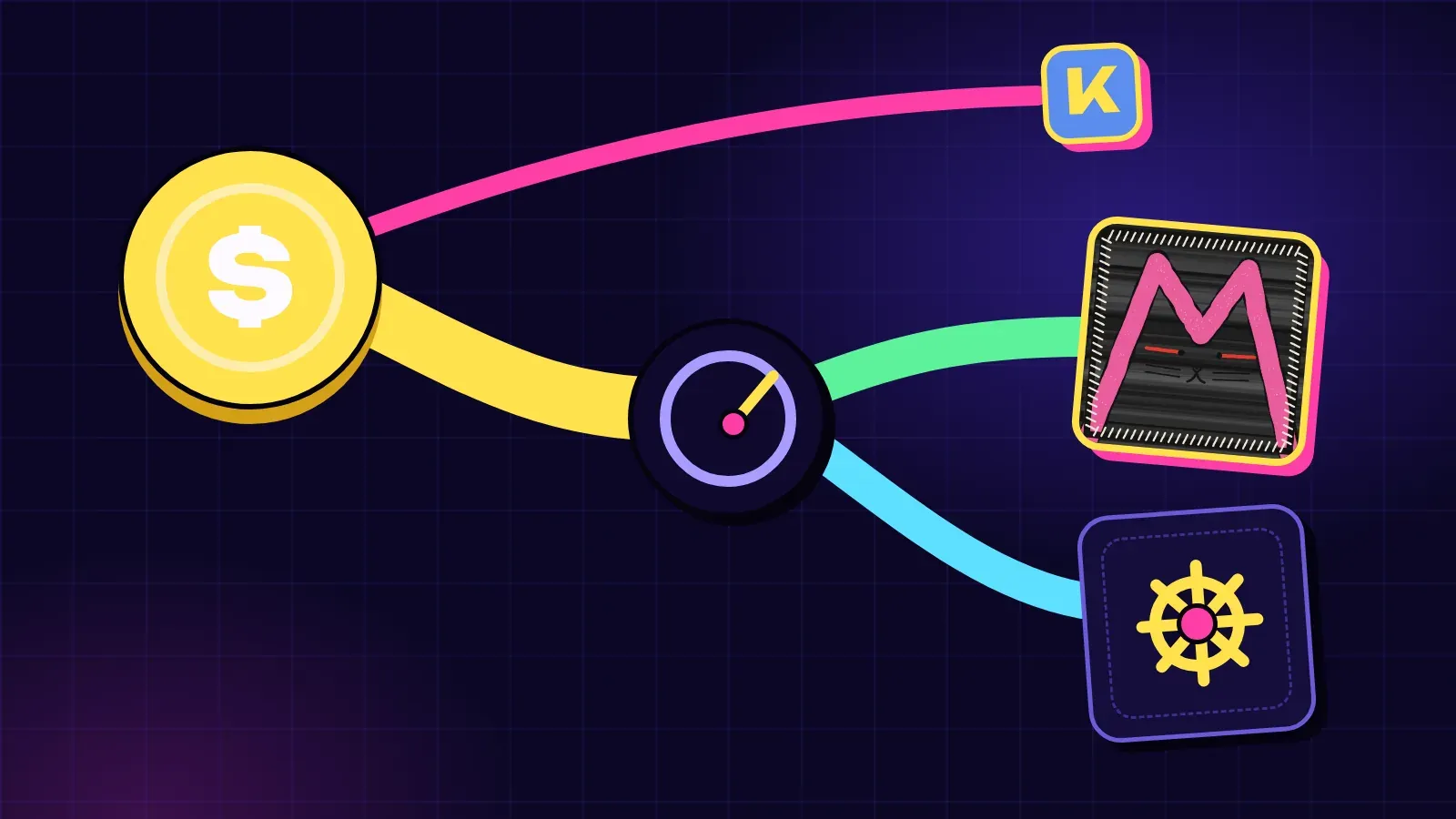
The two numbers a creator chooses on KURV, mint share and royalty, what each one pays, how they trade off against the Vault, and why neither is an income promise.
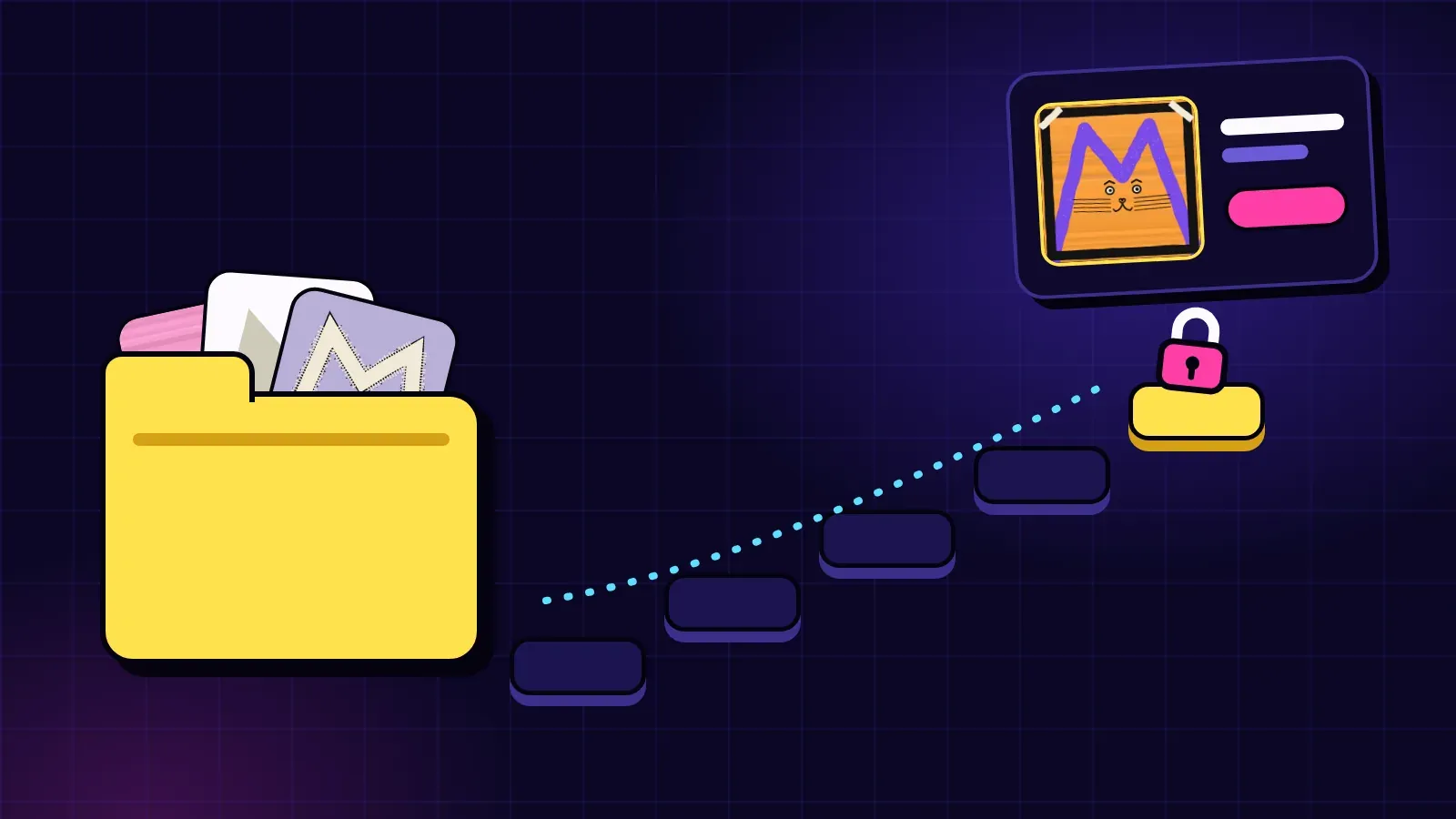
From a folder of art to an open mint on KURV: import, the Studio, publishing, the seven-step wizard and one signature, plus what's permanent once you sign.
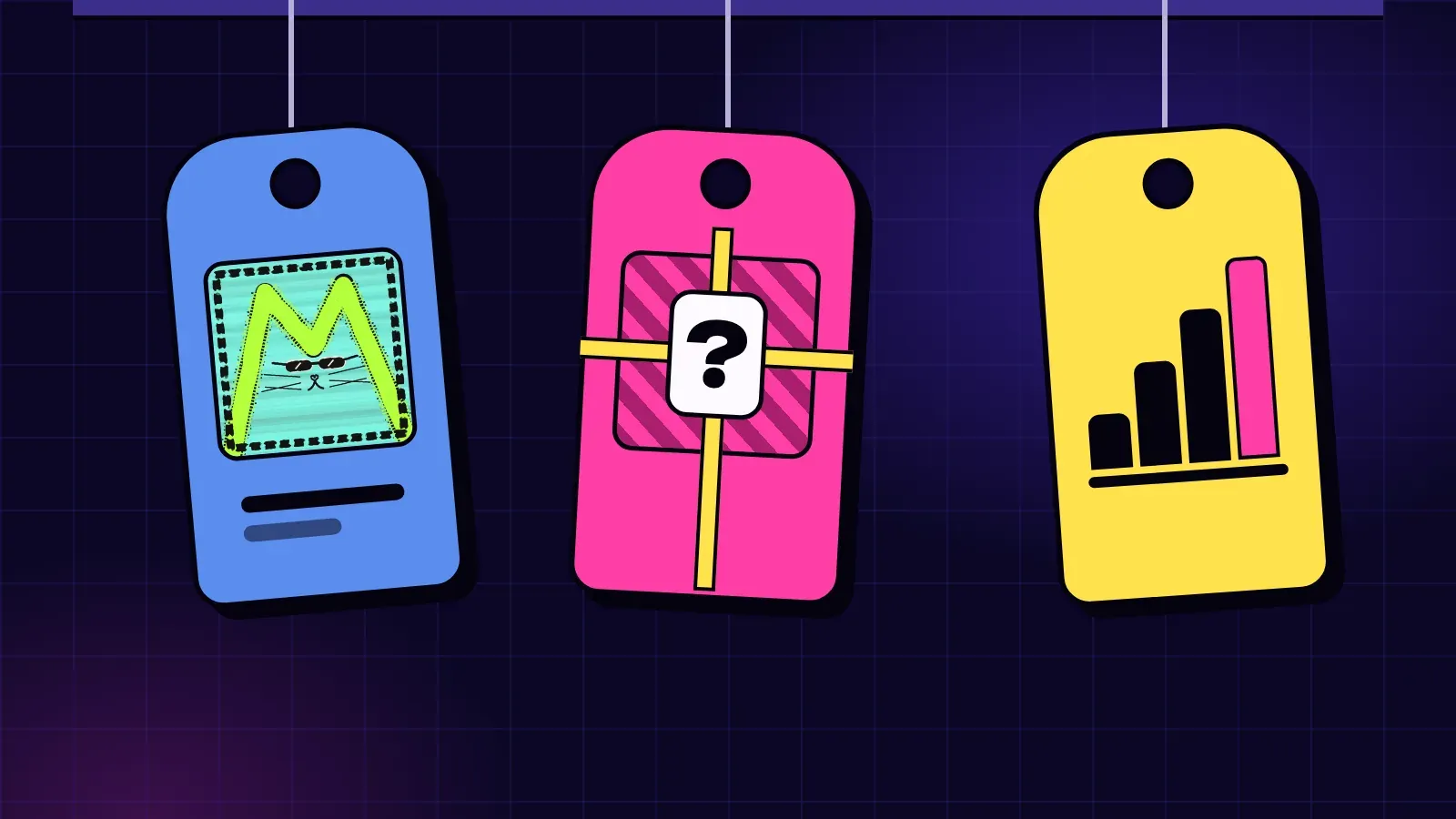
The three main ways to sell a collection on KURV, plus phases, allowlists and free mints, in beginner terms for creators and collectors.
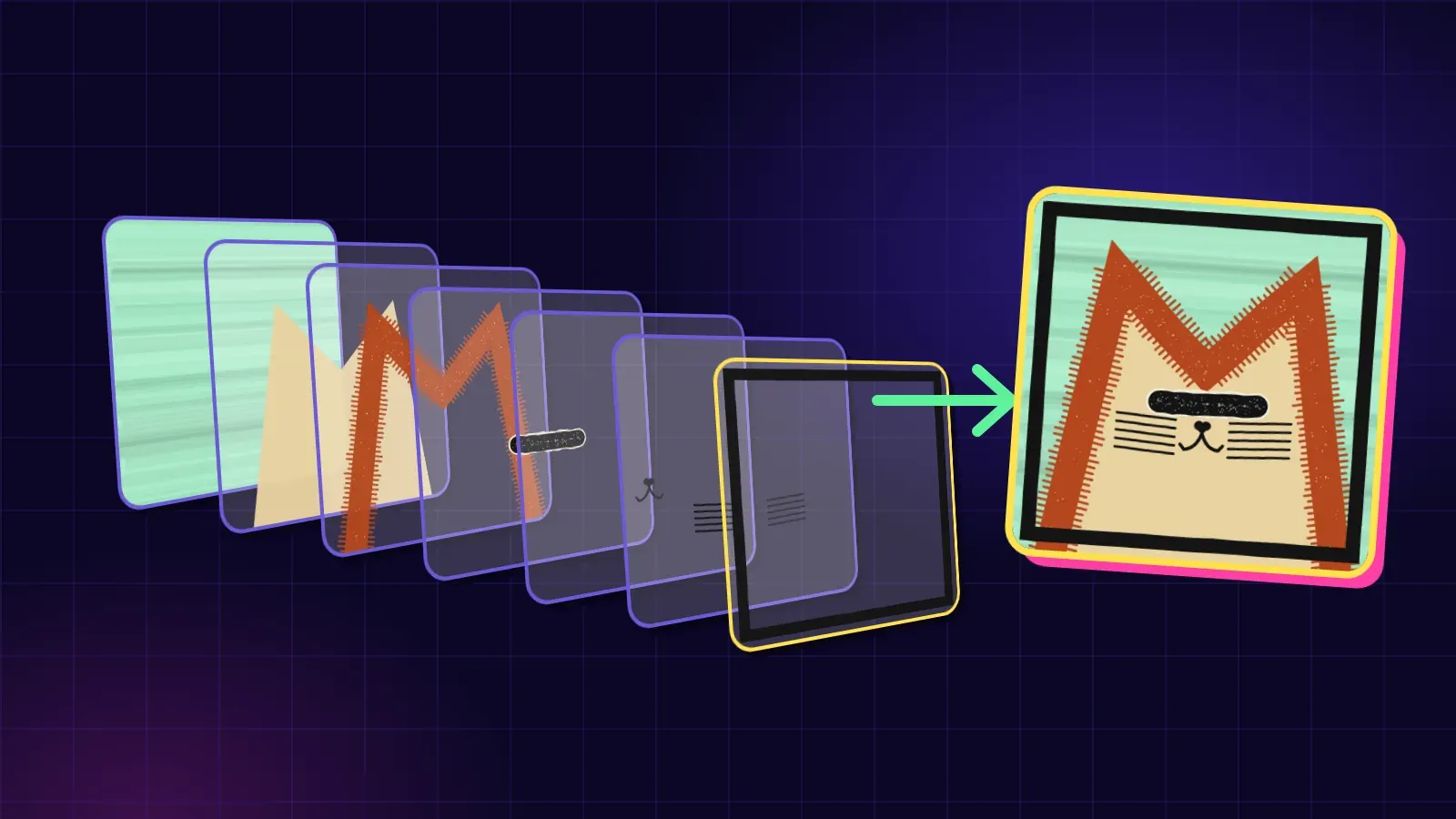
How a generative collection is built from layers and traits, how rarity weights work, and how to set it all up on KURV, with Max Cat as the example.